
What is Sacred Space?
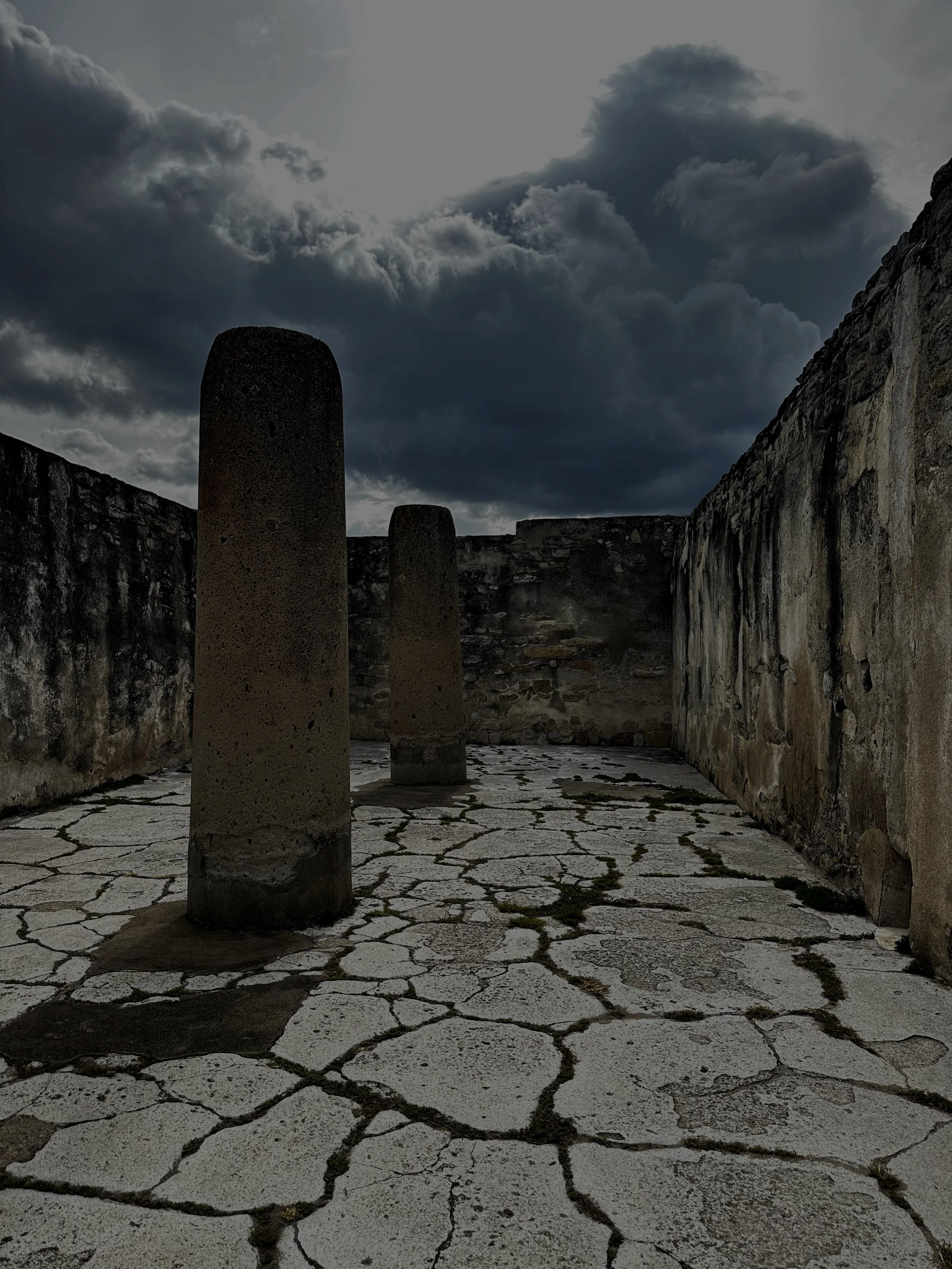
At its core, sacred space is any environment that is intentionally designed to support presence, transition, and transformation. Just as humans across time have long gathered around fire, altars, temples, and groves, we to this day continue to seek environments that honor both what is greater than ourselves as well as what is innate within us.
Why Sacred Space Matters
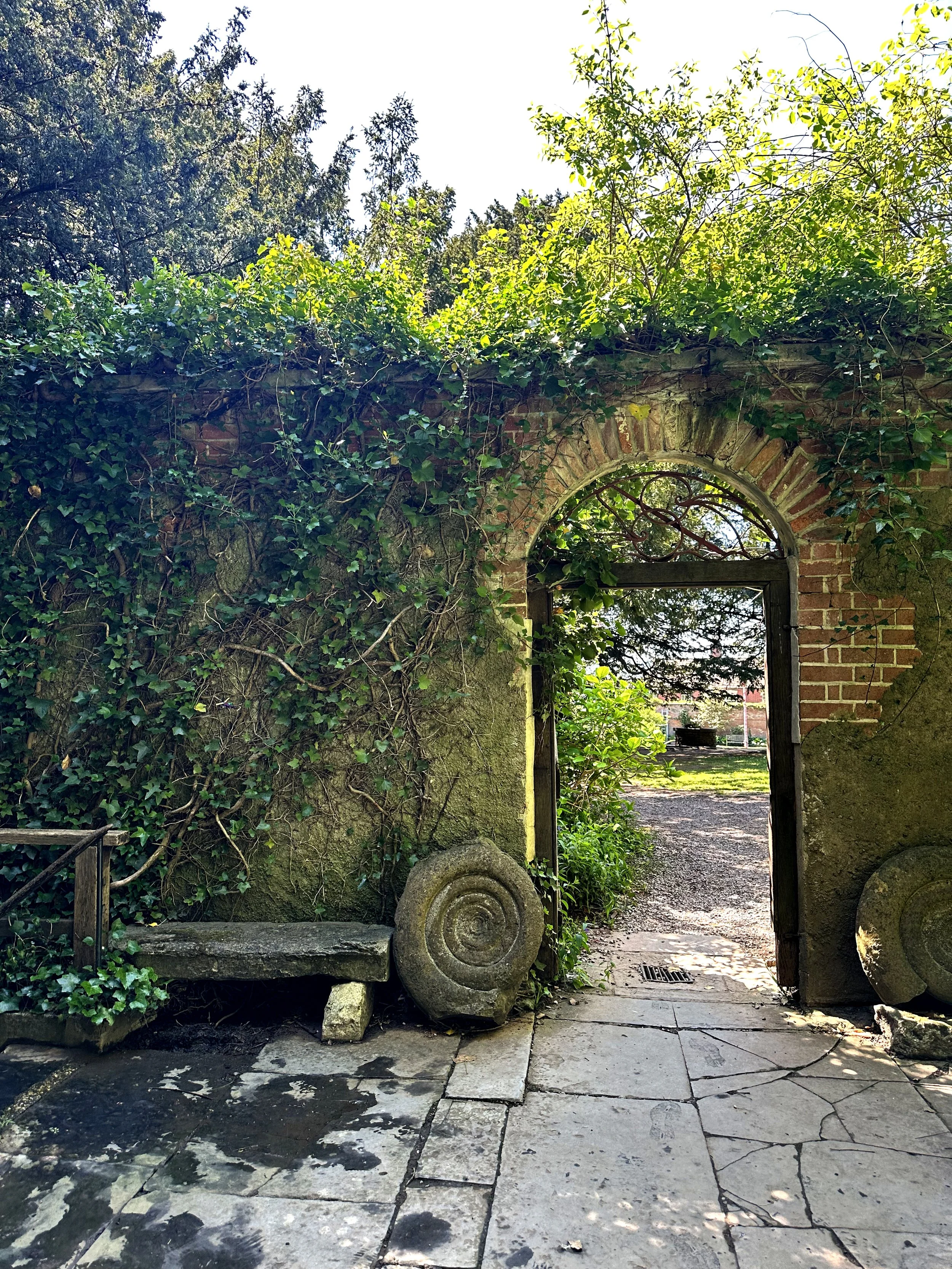
By consciously creating such an environment, we can:
Protect:
the energy within, establishing boundaries that allow presence, focus, and meaningful work to thrive.
Align:
ourselves with guiding principles and forces whether they be natural, elemental, or cosmic, that support clarity, insight, and well-being.
Amplify:
awareness, creativity, and connection, providing a stable foundation for reflection, expression, or healing.
Honor:
relationships with others, human or spiritual, who enter or support the space care.
Life presents us with an ever-changing terrain to navigate our way through. We will inevitably find ourselves impacted by times that humble us, that move us to gratitude, or that leave us awestruck beyond words. Sacred space offers a container for intention and presence during these times.
How Sacred Space Shows Up In Physical Form
Short-Form Spaces:
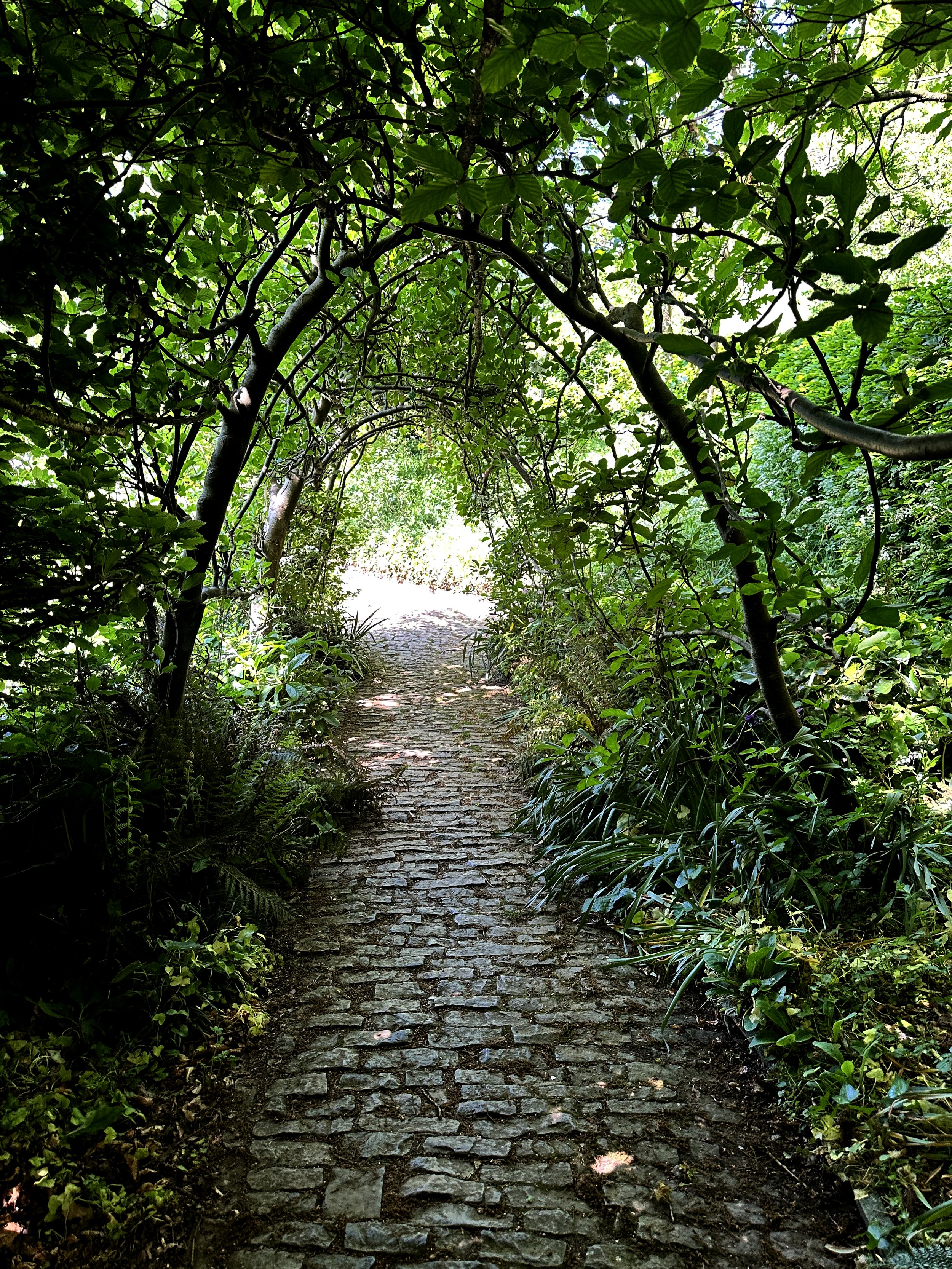
Short-Form Spaces are intentionally temporary. They are formed for a moment, a practice, or a single turning of attention, existing only as long as they are needed. Simple in form yet precise in purpose, these spaces hold focus briefly, then dissolve, leaving no trace except the shift they make possible.
Long-Form Spaces:
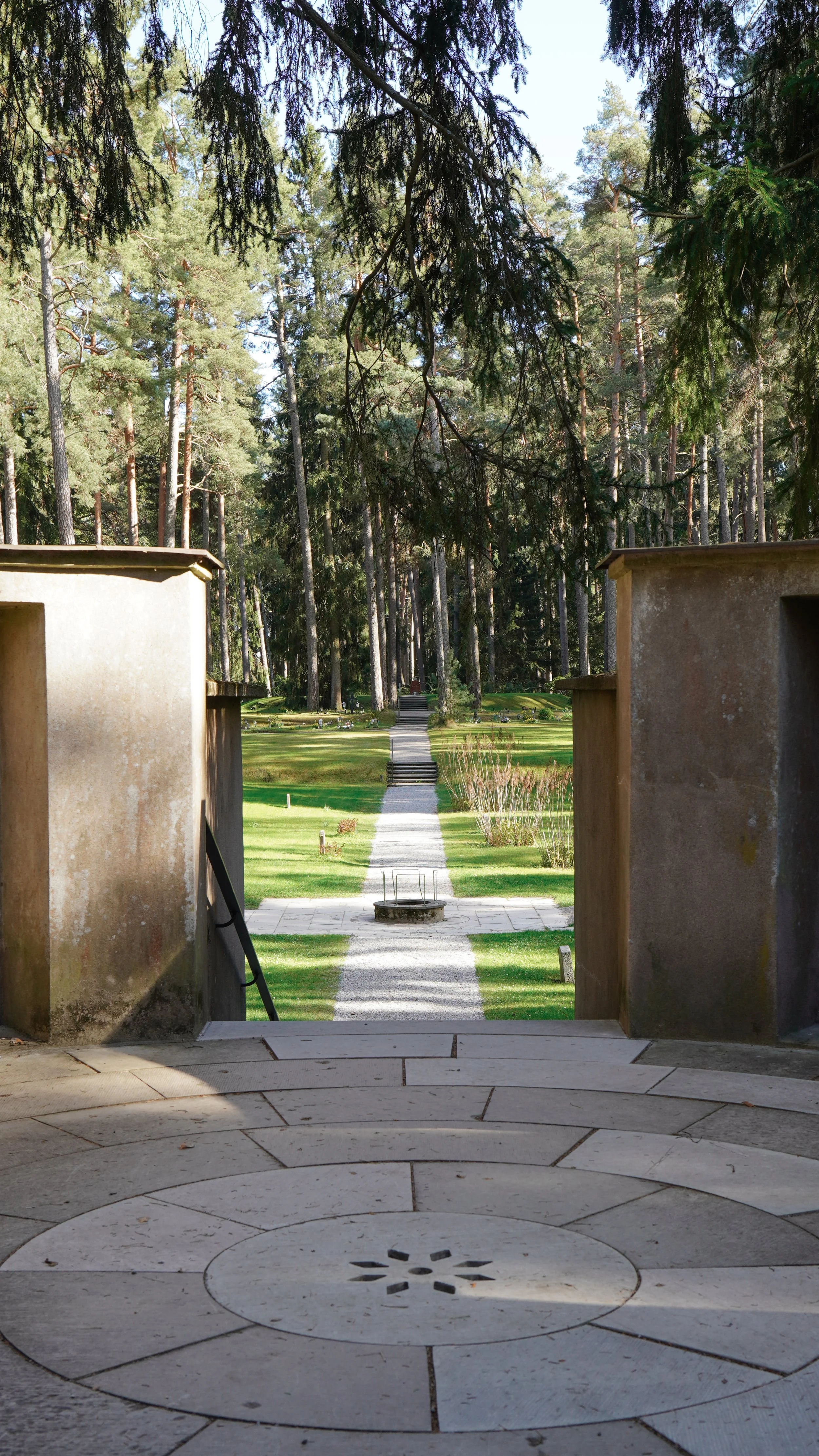
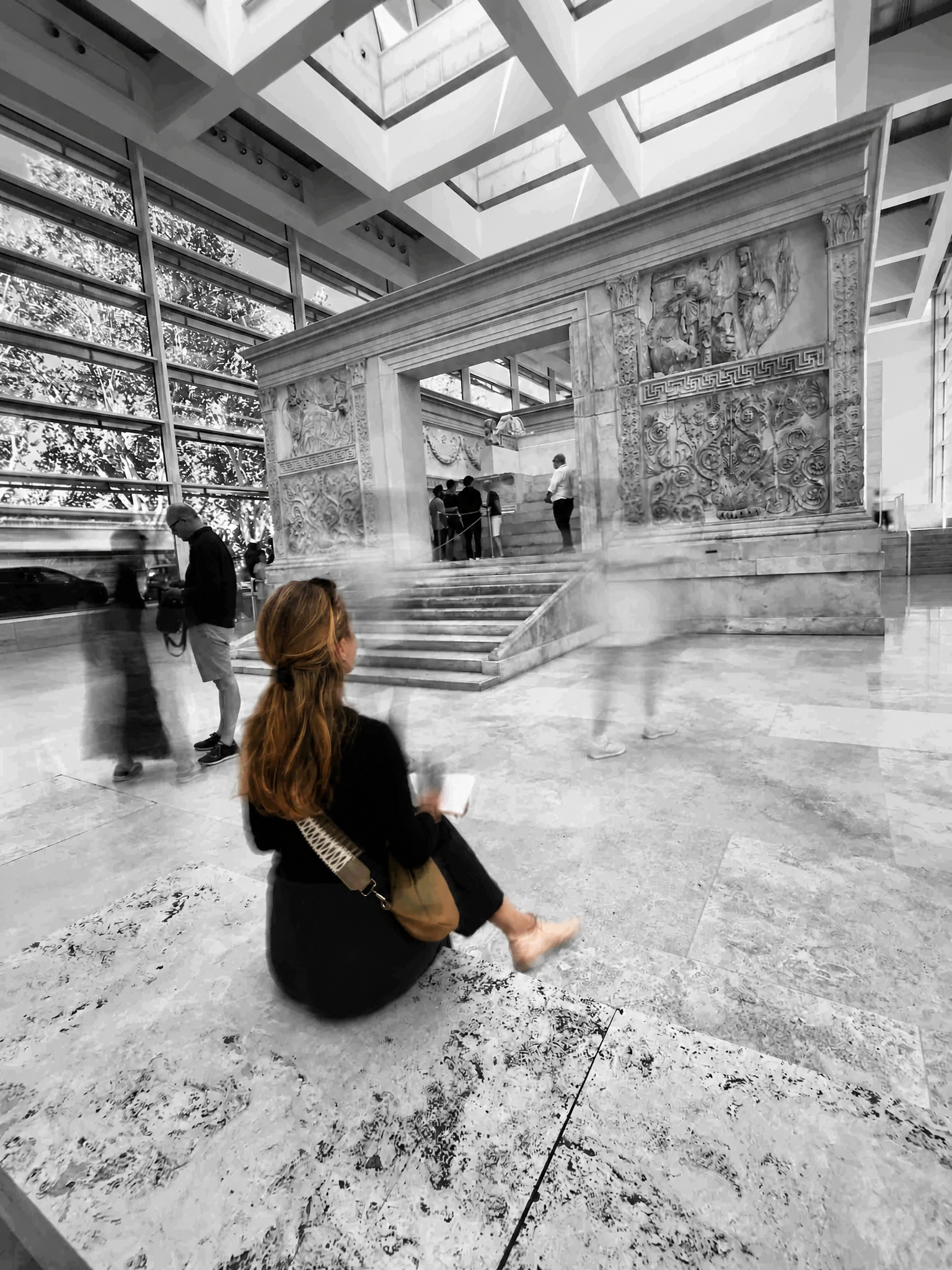
Long-Form Spaces are meant to endure. Built slowly and held over time, they are layered environments shaped by geometry, symbolism, and alignment with natural or cosmic forces. These spaces gather meaning as they persist. They are the structures that remain as time moves through them.
You as the Space
Ultimately, sacred space is inseparable from the one who holds it. Is a practice as much as it is a place.
Your internal landscape will always shape your external reality.